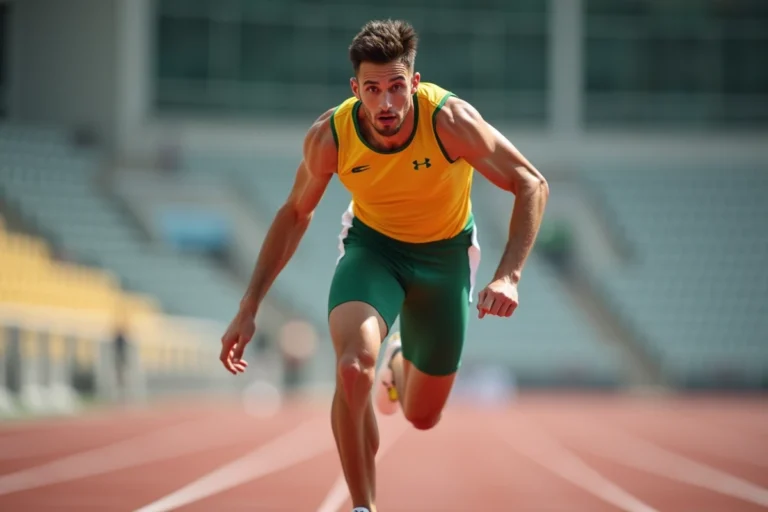
The oxygen transported by the blood does not set the absolute limit of human endurance, contrary to popular belief. Athletes with similar physiological profiles still show considerable performance gaps. Some training methods validated by research are sometimes overlooked by coaches, while empirical practices persist among the global elite.
Advances in biology and movement sciences question the boundary between genetic potential and adaptation. Recent discoveries highlight unsuspected levers, changing the approach to performance and overturning established certainties in high-level sports.
Science, a discreet but essential driver of modern sports performance
In the secrecy of locker rooms, away from the spotlight, sports science emerges as an indispensable ally for champions. Researchers, coaches, and analysts share a common goal: to dissect every gesture, every piece of data, to push the boundaries of success. At this table, research laboratories sit alongside sports federations; together, they hunt for the slightest variable capable of changing the course of a competition.
The massive use of data, video analysis, and artificial intelligence is reshaping physical preparation. Sensors, biomechanical analyses, predictive algorithms: everything is implemented to measure, anticipate, and understand. The athlete no longer relies solely on instinct or talent: every parameter becomes a subject of study, every progress is based on a constant exchange between the field and the laboratory.
Specialized platforms like the Science O Sport website play a key role in this dynamic, relaying the latest advances from research. Coaches and athletes find tools there to adjust their preparation, embrace innovations, and keep pace with technology. Here, the distinction between fundamental research and practical know-how gradually fades. Technology transfer structures accelerate the flow of ideas, bringing together athletes, coaches, and scientists in a common momentum towards an ever more demanding sport.
What concrete contributions do scientific research provide for athletes and their coaches?
Scientific knowledge changes the game on all fronts. Coaches today have analysis and training planning tools that revolutionize how they support athletes. The fine exploitation of heart rate variability and advances in biomechanical physiology allow for calibrating each program according to the real needs of the athlete, taking into account their specificities and areas for improvement.
Injury prevention fully benefits from this transformation. Sports analysis, fueled by data collection, allows for detecting weak signals, identifying imbalances, and guiding recovery. Sports performance services then offer personalized monitoring, combining objective data with field observations. The coach adjusts the workload, varies the exercises, protects the athlete’s health while seeking to optimize their progress.
Tactically, video analysis and the input of new technologies open up unprecedented possibilities. Sessions become more precise, collective choices refine over concrete indicators. Models derived from applied research facilitate decision-making in competition, making the progress and effectiveness of implemented strategies visible.
Here are some examples of concrete applications stemming from these advances:
- Optimization of training programs
- Early detection of injury risks
- Refinement of individual and collective strategies
- Physiological monitoring and real-time adjustment
This alliance between scientists and field actors disrupts the definition of performance: experience, data, and innovation now form an inseparable triptych in supporting high-level athletes.
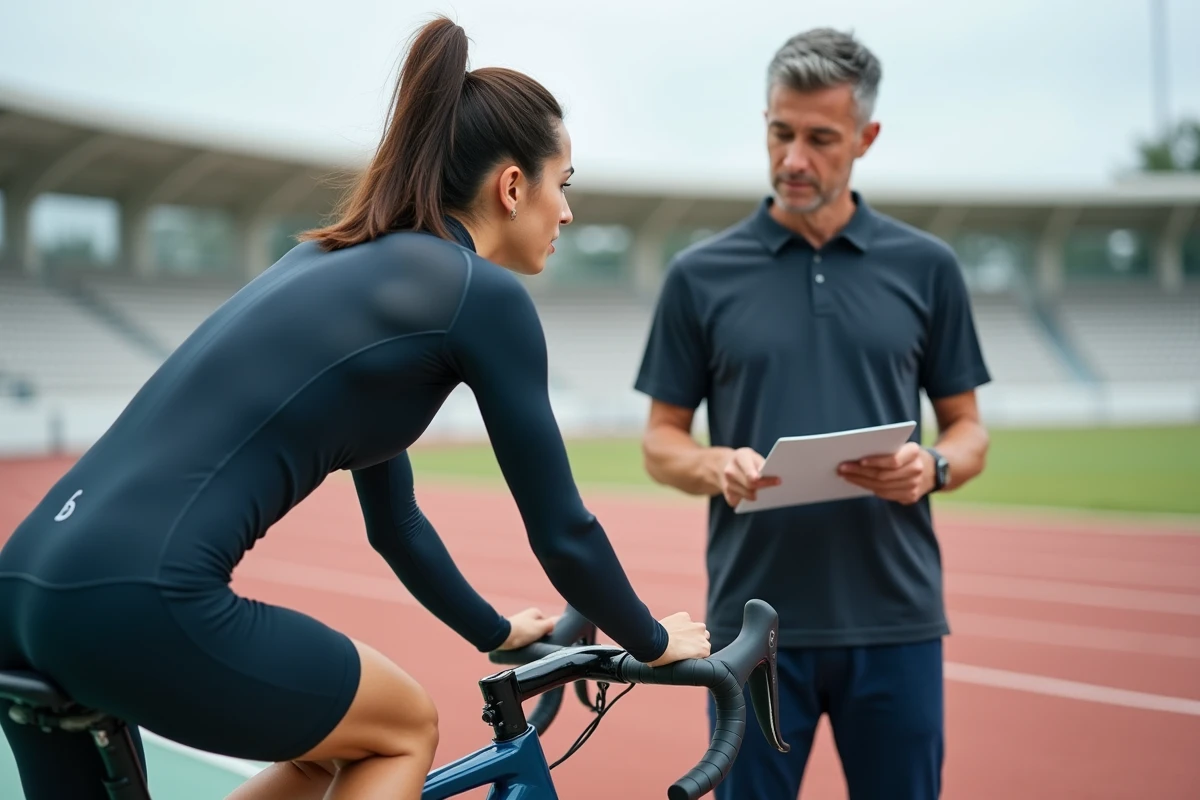
Towards an augmented sport: challenges, limits, and perspectives of scientific expertise
Sports science advances methodically, supported by institutions like INSEP or the priority research program Sport de Très Haute Performance, led by CNRS and funded on a large scale. This large-scale project brings together sports federations and research teams around a common goal: to prepare French athletes for the greatest events, including the Paris 2024 Olympic Games.
Research projects invest in every discipline. A notable example: LIRIS, an interdisciplinary research laboratory in computer science in Lyon, collaborates with the French table tennis federation (FFTT) to analyze match videos and dissect game strategies. Under the leadership of Romain Vuillemot and Aymeric Erades, this expertise sheds light on new avenues for tactical improvement. Football, basketball, rugby, ice hockey, motorsport, parasports, baseball, or cricket: all disciplines benefit in turn from sports analysis.
The rise of technology and data science raises fundamental questions. Where to place the human element in relation to the algorithm? The limits are not just a matter of technique: it is about maintaining the balance between intuition, experience, and calculation models, within teams as well as federal bodies. This constant dialogue shapes a new ecosystem, where each sport seeks its own path, its method, its uniqueness.
As sports science permeates and establishes itself, the finish line shifts. Achievement no longer relies solely on strength or will, but on this collective ability to adapt, to question, and to reinvent excellence. The next records are not waiting; they are already being written at the crossroads of brains and the stopwatch.