Crop rotation is not improvised: aligning tomatoes and potatoes in the same plot for two consecutive years exposes you to a proliferation of diseases, much more frequent than one might think. Seeds from F1 hybrid vegetables do not faithfully reproduce the expected characteristics in subsequent harvests, which limits the preservation of seeds from one season to the next.
Excessive nitrogen fertilizer at the beginning compromises root growth and weakens the plants. Evening watering promotes the development of certain fungi, a fact that many are unaware of. These simple adjustments sustainably dictate the success of the first harvests.
Why creating a vegetable garden at home changes everything: benefits and misconceptions
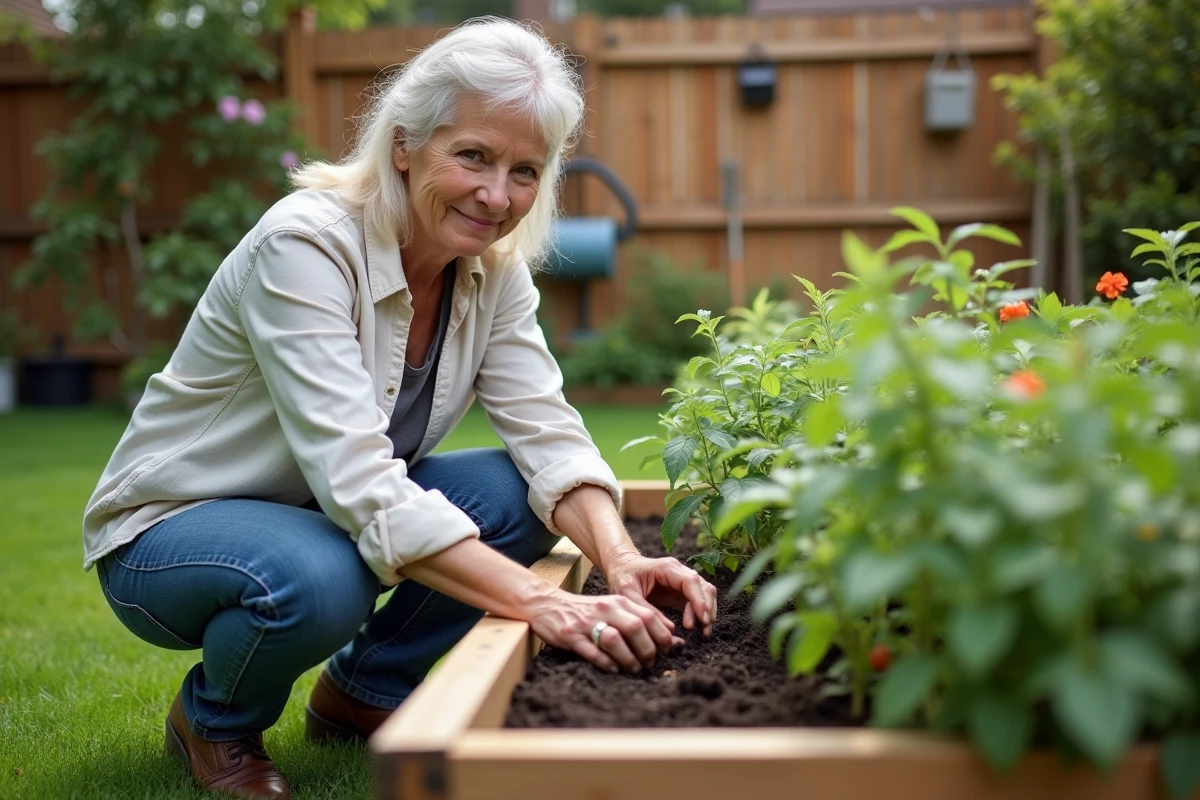
Facing a piece of land, a planter, or a raised bed is more than just a hobby. The vegetable garden, whether traditional, permaculture, balcony, or vertical, reconnects with the concrete, offering a way to live better every day. Growing your own vegetables, fruits, and herbs brings you back to the seasons, to the earth, to the diversity of life. Forget the image of a garden reserved for the countryside: a few pots, a box, or a palette are enough, even in the heart of a city, to explore this human-sized ecosystem.
The benefits go far beyond the harvests. Less waste produced, more variety in soil life, observation of wildlife, patient learning, and gestures passed down from hand to hand. Methods inspired by permaculture, mulching, companion planting, and no-till soil make the vegetable garden a space for ongoing experimentation. Even a small square is enough to vary uses and harvests. Here are some examples of possible crops in a small area:
- tomato, lettuce, radish, zucchini, carrot
- aromatic herbs like rosemary, basil, or thyme
- small fruits (strawberry, raspberry) depending on the available space
The vegetable garden also dispels many prejudices. Monotonous alignments, endless tasks, or the systematic use of chemical products are not inevitable. By diversifying plantings and considering the soil, everyone becomes aware that growing vegetables and fruits is both accessible, adaptable, and meaningful. To go further, the resource https://www.jardiner-facile.com/ gathers practical advice at the crossroads of experimentation and transmission. Even modest, a vegetable garden transforms the perspective on the earth, the table, and the passage of time.
What are the first steps to easily start your vegetable garden?
The choice of location conditions everything that follows. A vegetable garden requires good sun exposure, six hours of light, well-drained soil, and a minimum of protection from winds. If possible, set up near a water source to avoid unnecessary chores. Observing the terrain is often enough to spot wetter areas, shaded corners, and drafts.
The preparation of the soil should be done without haste. An aerated soil, enriched with compost or well-rotted manure, cleared of stones and roots, gives young shoots every chance to thrive. Mulching applied from spring retains moisture and nourishes underground life. In urban areas, growing in containers, pots, or planters allows you to adapt to the available space: a palette or a raised bed may be enough to get started.
Start simply by choosing easy vegetables: radishes, lettuce, zucchini, tomatoes, and herbs like rosemary or basil. Respect the rhythm of the sowing calendar, and avoid trying to sow everything at once. For tools, prioritize robust and easy-to-handle items: trowel, watering can, pruners, garden gloves.
A plan, even a rough one, helps structure the crops. List the species according to their needs, space them to limit diseases, and alternate from one year to the next. Regular observation provides valuable information: a slug, a yellowing leaf, or stagnant growth are all indicators of the garden’s balance. Note everything in a notebook: dates, varieties, successes, and failures. This seasonal journal quickly becomes a valuable ally for progress.
Practical tips and simple tricks for successful beginnings in the vegetable garden
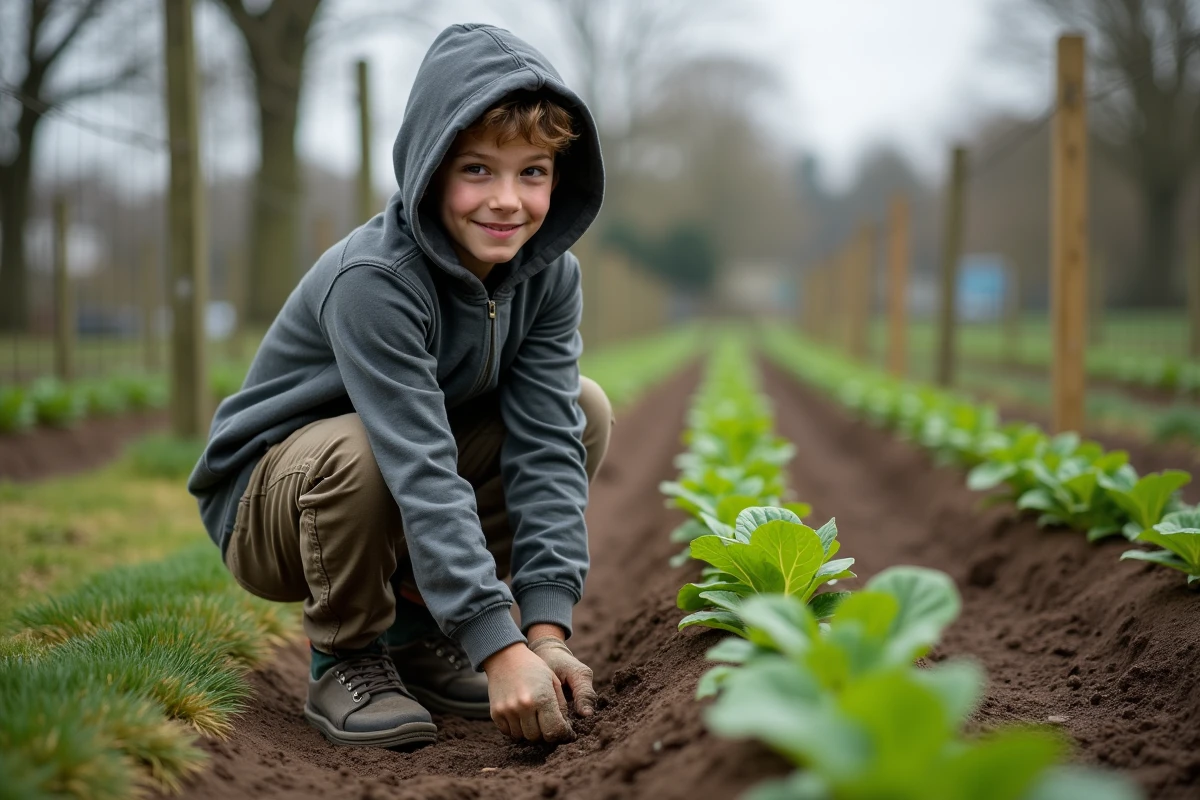
Adjust the size of the vegetable garden to your actual availability. A square of 1.20 m on each side or a few boxes are enough to learn the essential gestures: sowing, watering, monitoring, harvesting. To encourage yourself, it’s better to start with low-maintenance vegetables like lettuce, radishes, zucchini, or tomatoes, which quickly yield rewarding results and motivate you to continue season after season.
Daily observation is the best guide. Spotting the growth of a zucchini, seeing the tomato flourish, or smelling the basil helps understand what the plant needs. Record each step in a notebook, from sowing to harvest. This tracking transforms into a living memory of the garden, reveals cycles, and facilitates adjustments from one year to the next.
Planning plays a key role. Use a sowing calendar suited to your region: carrots between March and July, tomatoes or zucchinis after mid-May, potatoes between mid-March and mid-April. Alternate crops, diversify species, and practice rotation to preserve soil fertility and limit diseases.
Some natural tricks protect young plants: mulching against drought and slugs, eggshells around salads, companion planting to deter aphids or snails. Aromatic herbs like basil, parsley, rosemary, and chives find their place among the vegetables, promoting diversity and reducing pest attacks. The answers to most difficulties lie in careful observation of natural cycles and the patient adjustment of daily actions.
A vegetable garden, even modest, is never just a decoration. It invites you to reinvent your connection to the earth, to patience, to curiosity, and to the wonder, renewed each time, before the quiet strength of a seed that germinates.