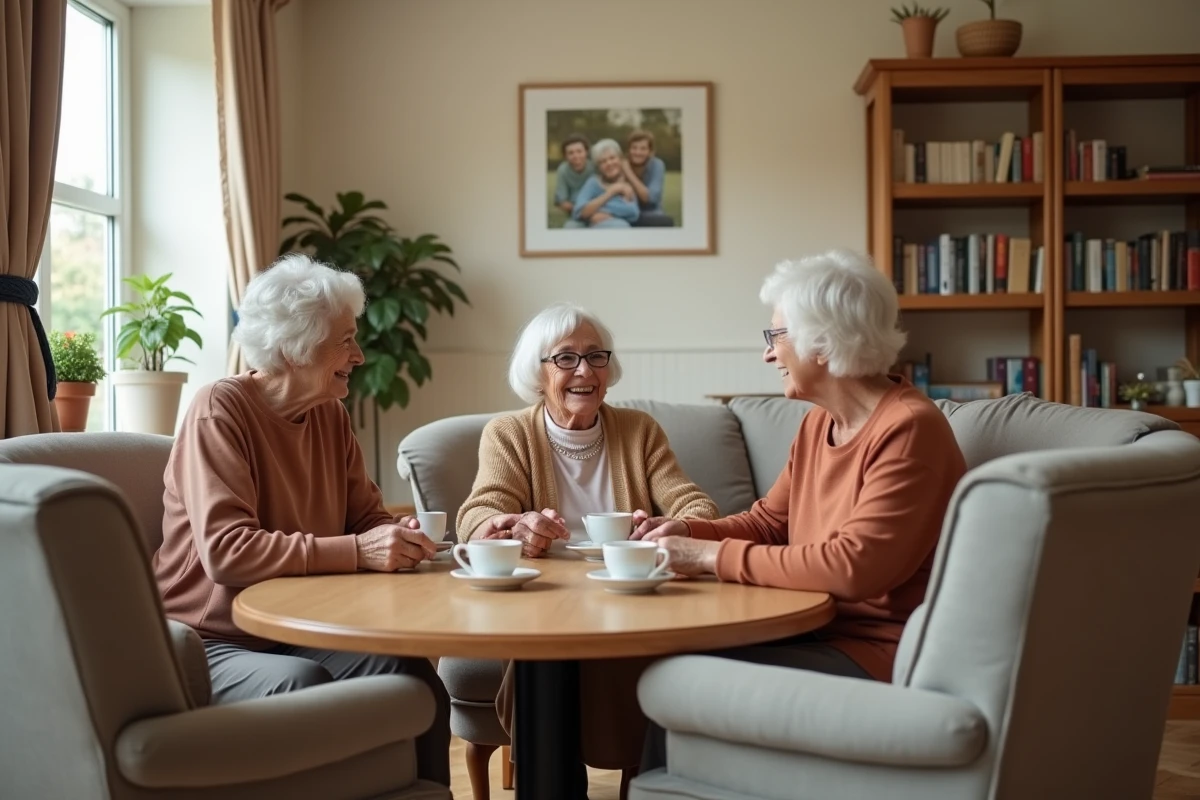
The Marguerite houses offer a senior co-living model in rural areas, halfway between home care and collective living. The concept is based on shared housing where a few independent elderly people live under the same roof, with common spaces and tailored support. Opening such a structure involves several administrative, real estate, and human steps, the complexity of which is often underestimated.
Support for shared living and departmental funding: what changes the economic model
The financial setup of a Marguerite house does not rely solely on the rents from residents. Since the decree of December 28, 2023, related to the PCH and support for shared living, several departments have started funding shared living aids in inclusive housing for the elderly. These mechanisms, initially designed for disabilities, are now being mobilized for senior co-living arrangements included in a validated social and shared living project by the department.
In practical terms, this changes the rental burden and the cost of shared services for residents. A project leader who understands the steps to create a Marguerite house must incorporate this aspect from the design phase, as obtaining these aids conditions the long-term viability of the project.
However, not all departments apply these aids in the same way. Field feedback varies on this point: some departmental councils process applications quickly, while others have yet to define a clear framework for senior co-living. Checking local policy before committing is a precaution that many project leaders overlook.

Social and shared living project: the document the department expects
For a Marguerite house to be recognized as inclusive housing, the project leader must draft and validate a social and shared living project. This document outlines the daily organization, collective activities, the role of the facilitator or coordinator, and the connections with the local associative fabric.
This is not a formality. The social and shared living project serves as a reference for the allocation of departmental aids. It must demonstrate that the house is not just a simple grouped housing arrangement, but a place where collective life has intention, structure, and resources.
What the document must cover
- The shared governance between residents, facilitator, and project leader, with a description of the collective decision-making processes
- The networking with local actors (home care services, associations, local businesses) to avoid the isolation of the location
- The criteria for residents’ participation in the life of the house, including seniors experiencing progressive loss of autonomy
- The modalities of human support (presence of a coordinator, frequency, missions)
A well-constructed project facilitates the relationship with the department and enhances the credibility of the approach with future residents and their families.
Choosing a location in rural areas: technical constraints often ignored
The Marguerite model favors rural locations, where the availability of accommodation for seniors is the lowest. The choice of building is a crucial step that goes far beyond the living space.
The accessibility of the building conditions the reception of independent but aging seniors. Ramps, door widths, step-free showers, non-slip floors: these adaptations must be anticipated from the search for the property. An attractive building on paper can become a financial pit if the adaptation works are not estimated in advance.
The proximity of health services is also a concern. A house located more than half an hour from a medical office or pharmacy complicates the daily lives of residents. Project leaders who succeed in their establishment are those who map the living area before signing a lease or purchase agreement.
Standards and safety of the building
The applicable regulatory framework depends on the chosen legal status. A classic co-living arrangement does not fall under the same obligations as an ERP (establishment receiving the public). The available data does not allow for a conclusion on a unified framework for all Marguerite houses, as the status varies according to the size and type of structure. Legal support from the outset prevents blockages at the time of opening.
Quality benchmarks for shared senior housing: a framework under construction
Since 2024, several networks and local authorities have been experimenting with quality benchmarks dedicated to shared senior housing, distinct from the standards applied to nursing homes or assisted living residences. These benchmarks, co-constructed within the framework of the CNSA 2022-2024 call for expressions of interest, focus on shared governance, resident participation, and integration into the local fabric.
For a project leader, adhering to these benchmarks is not yet mandatory. However, structures that voluntarily comply gain visibility with public funders and families. The label remains a work in progress, but it outlines the standard towards which inclusive senior housing is heading.
Daily coordination and resident support: the human factor
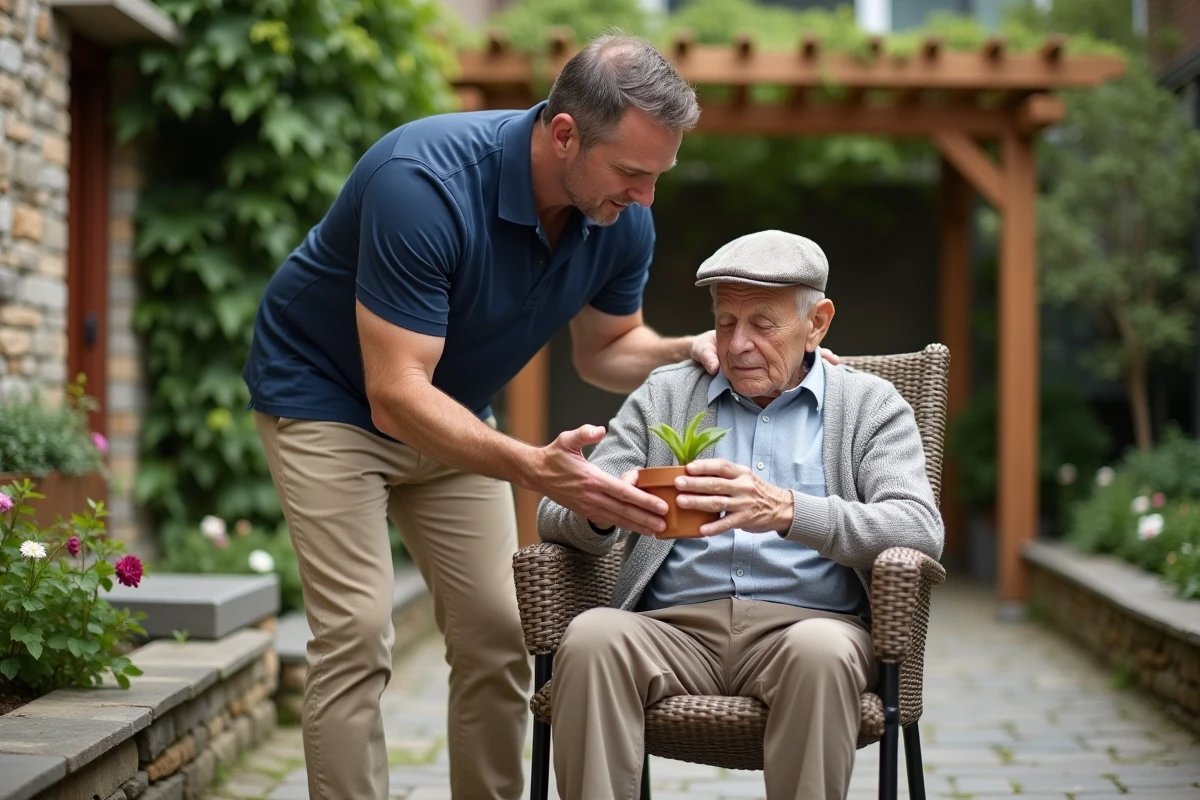
A Marguerite house operates thanks to a coordinator or facilitator who organizes shared life. This role is often vague in emerging projects, leading to tensions among residents or a gradual disengagement.
The coordinator is neither a caregiver nor a property manager. Their mission is to facilitate social connections, organize collective activities, and act as a liaison with external services (care, home assistance, transport). The desired profile combines skills in social animation and knowledge of aging.
The funding for this position remains the weak point of the model. Without shared living aids, the cost of the coordinator falls entirely on the residents, which can make the rent comparable to that of a traditional senior residence. The financial balance directly depends on departmental support.
Opening a Marguerite house is not just about finding a building and tenants. The project relies on three simultaneous pillars: a financial setup linked to departmental aids, a validated social living project, and a coordinator whose position is secured. Neglecting any of these pillars weakens the whole, regardless of the initial enthusiasm of the project leader.