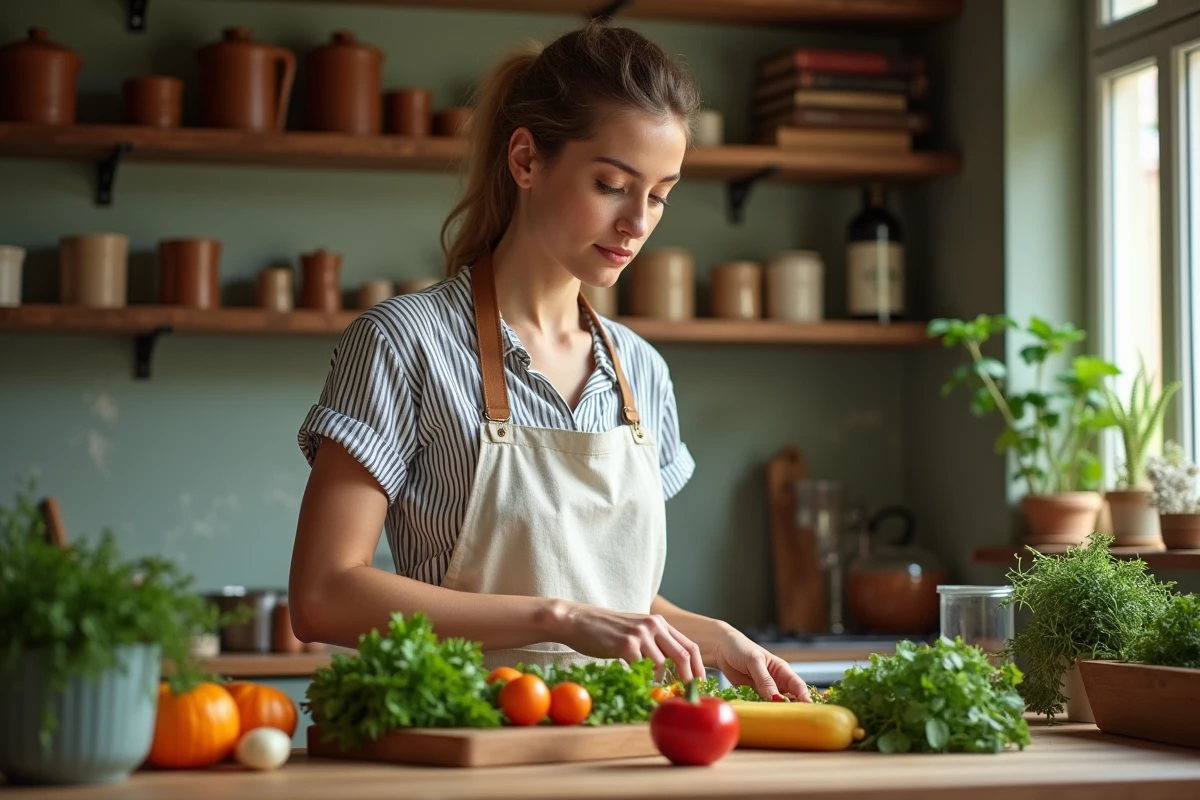
The rise of induction cooktops in French households is reshaping technical benchmarks. Cooking tips passed down for decades (flambéing, stir-frying over high heat, visual flame control) lose their relevance when the heat source becomes a magnetic field. Adapting recipes and techniques to this reality changes more than just the equipment.
Induction Cooking: Adapting Cooking Tips to New Cooktops
Induction heats the bottom of the pot, not the surrounding air. The responsiveness is almost instantaneous, which alters temperature management for searing and reduction techniques. A vegetable stir-fry that required a gradual increase on gas reaches the target temperature in seconds on induction.
We recommend working with power levels rather than a fixed setting. On an induction cooktop, moving from 7 to 5 and then back up to 8 allows for the fine control that a flame provided. Thick stainless steel or cast iron pans respond better than thin aluminum, which overheats in spots.
Flambéing is still possible, but the technique differs. Without a pilot flame, you need to tilt the pan towards a long lighter or use a match. The amount of alcohol should be reduced, as the residual heat from the bottom is more concentrated. To achieve comparable results on the cooking page of Mon Blog Cuisine, several recipes already incorporate these adjustments for induction.
Ground Spices and Cooking: Mastering Turmeric, Cumin, and Paprika Without Burning
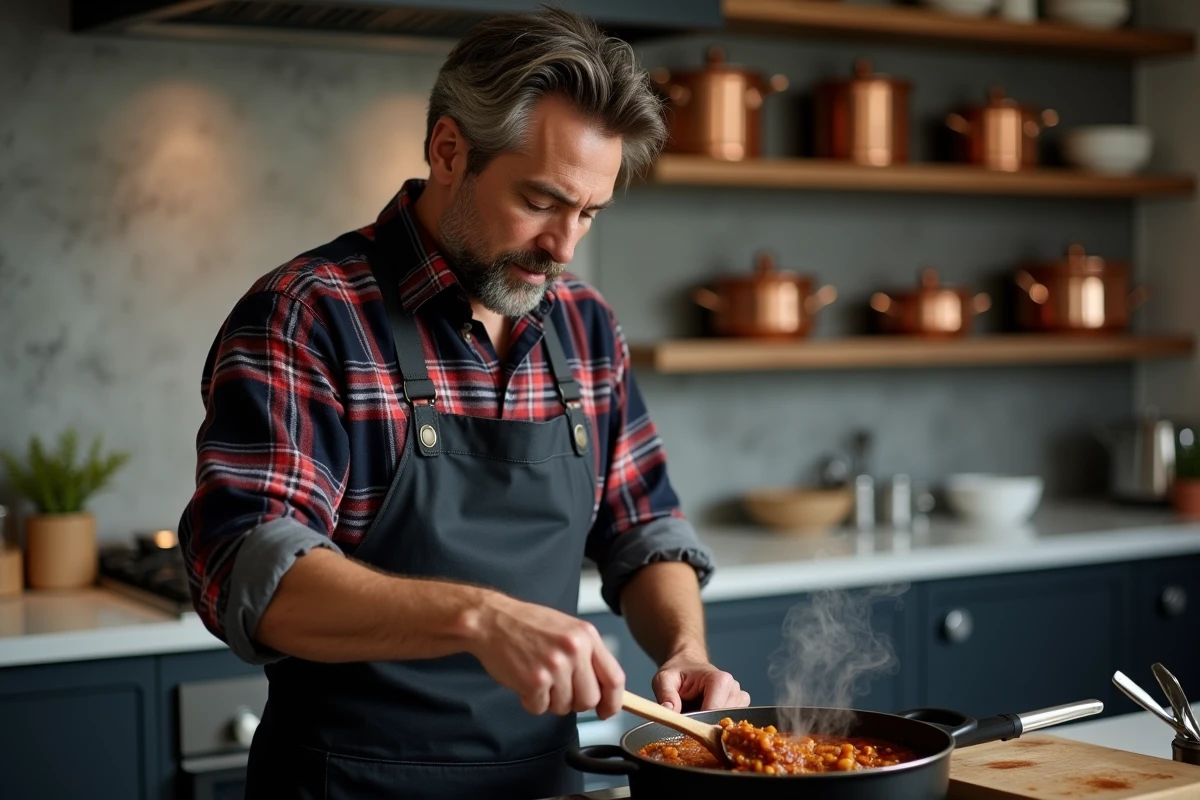
Ground spices burn in less than thirty seconds in overheated fat. This is the most common pitfall when trying to flavor a vegetable dish or meat. Turmeric, cumin, and paprika become bitter as soon as they exceed a certain temperature, and induction exacerbates this risk due to its reactivity.
The most reliable method is to create a controlled “blooming.” Heat the oil over moderate power, remove the pan from the heat source, then add the spices while stirring for about ten seconds before returning it to the cooktop. This action releases the aromatic compounds without charring.
Pairing Spices According to Their Heat Resistance
Not all spices can handle the same treatment. Cumin and ground cinnamon tolerate a quick pass through hot fat. Turmeric and chili lose their aromas faster under direct heat.
- Turmeric should be added at the end of cooking or diluted in a liquid (broth, coconut milk) to preserve its color and earthy flavor.
- Smoked paprika withstands heat better than sweet paprika but benefits from being incorporated off the flame into an already hot sauce.
- Cumin in whole seeds should be dry-roasted before being crushed, which gives it a depth that ground cumin alone cannot replicate.
- Cinnamon sticks infuse in simmered dishes without the risk of overdoing it, unlike the powder which can saturate a dessert recipe with just a few pinches.
Anti-Waste Recipes: Cooking Leftovers Methodically
Meal planning and reusing leftovers remain a somewhat marginal angle in content focused on “chef tricks.” However, we observe that this organizational dimension transforms culinary quality just as much as mastering a cooking technique.
A leftover of roasted vegetables becomes a base for soup or tart in under twenty minutes. The key lies in intermediate storage. Cooked vegetables keep better in an airtight container, without additional seasoning, to remain versatile.
Transform Rather Than Reheat
Reheating a dish almost always degrades it. Transforming a leftover into a new dish preserves texture and refreshes flavors. A base of cooked rice, stir-fried with an egg, soy sauce, and sliced vegetables, produces a fried rice that is more flavorful than freshly cooked rice, as the cooled starch reacts differently to heat.
Leftover braised meat can be cut into filling for tacos, savory crepes, or a gratin. A homemade broth can be prepared with trimmings, parsley stems, and onion skins saved in the freezer throughout the week.
Plating and Flavors: Elevating a Dish Without Chef Equipment
Short formats on TikTok and Instagram Reels have changed visual expectations. Recipes must be replicable with few ingredients and look good in photos. But plating relies first on the contrast of textures and colors, not on expensive equipment.
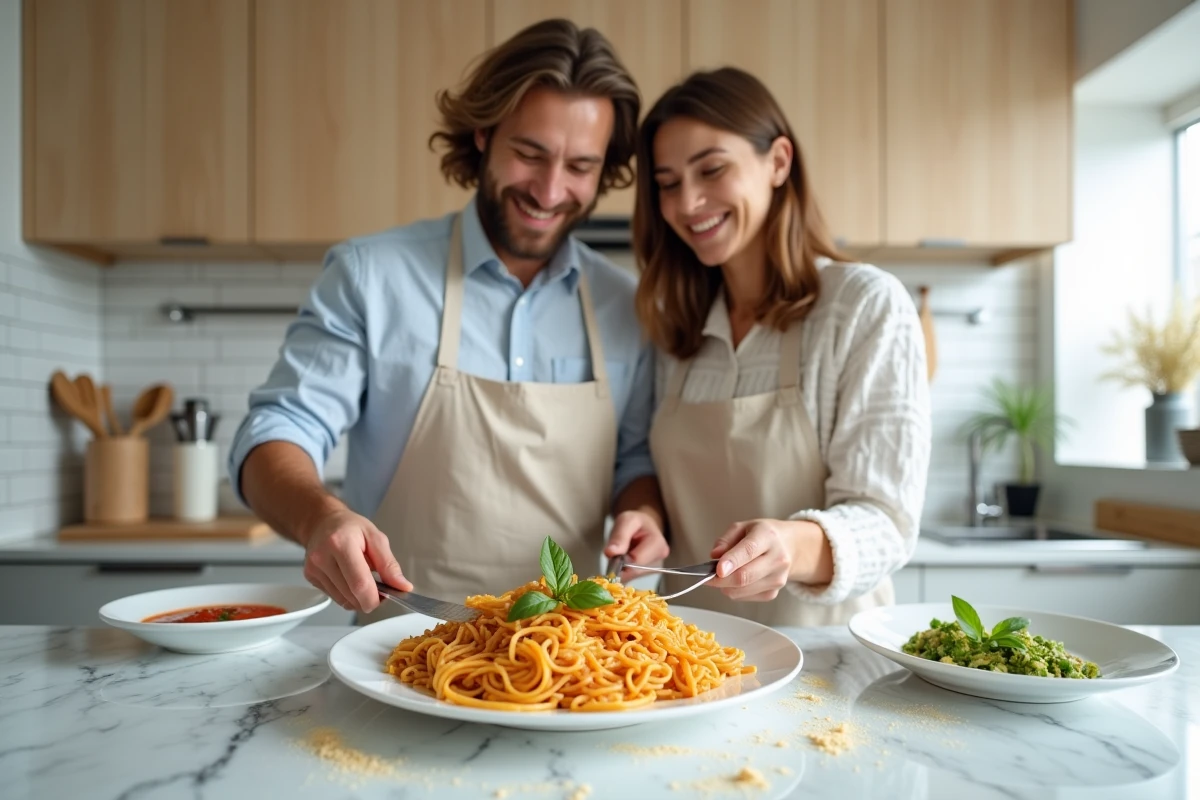
A pasta dish gains depth with a handful of freshly chopped herbs added at the last moment, a drizzle of oil poured from a height, and some shards of parmesan. The matte/shiny contrast (smooth sauce against a crunchy element) catches the eye more than any quenelle crafted with a spoon.
- Arrange elements in odd numbers on the plate (three pieces, five dots of sauce) for a more dynamic presentation.
- Use the edge of the plate as a frame: nothing should hang over, and the center should remain slightly elevated.
- Add a touch of acidity (lemon zest, pickles, reduced vinegar) just before serving to enhance the overall flavors of the dish.
The final seasoning does more for a dish than ten minutes of plating. A pinch of fleur de sel, a splash of good vinegar, or a few drops of toasted sesame oil add a dimension that cooking alone cannot achieve. Adjusting the seasoning at the very end, after tasting, remains the most underestimated gesture in everyday cooking.