
Defining a coherent clothing style is not just about taste or intuition. It is a technical selection process based on morphology, color palette, and the coherence of pieces with each other. Here are five concrete levers, tested in image consulting, to build a wardrobe that reflects your personality without relying on seasonal trends.
1. Map your morphology before choosing a cut
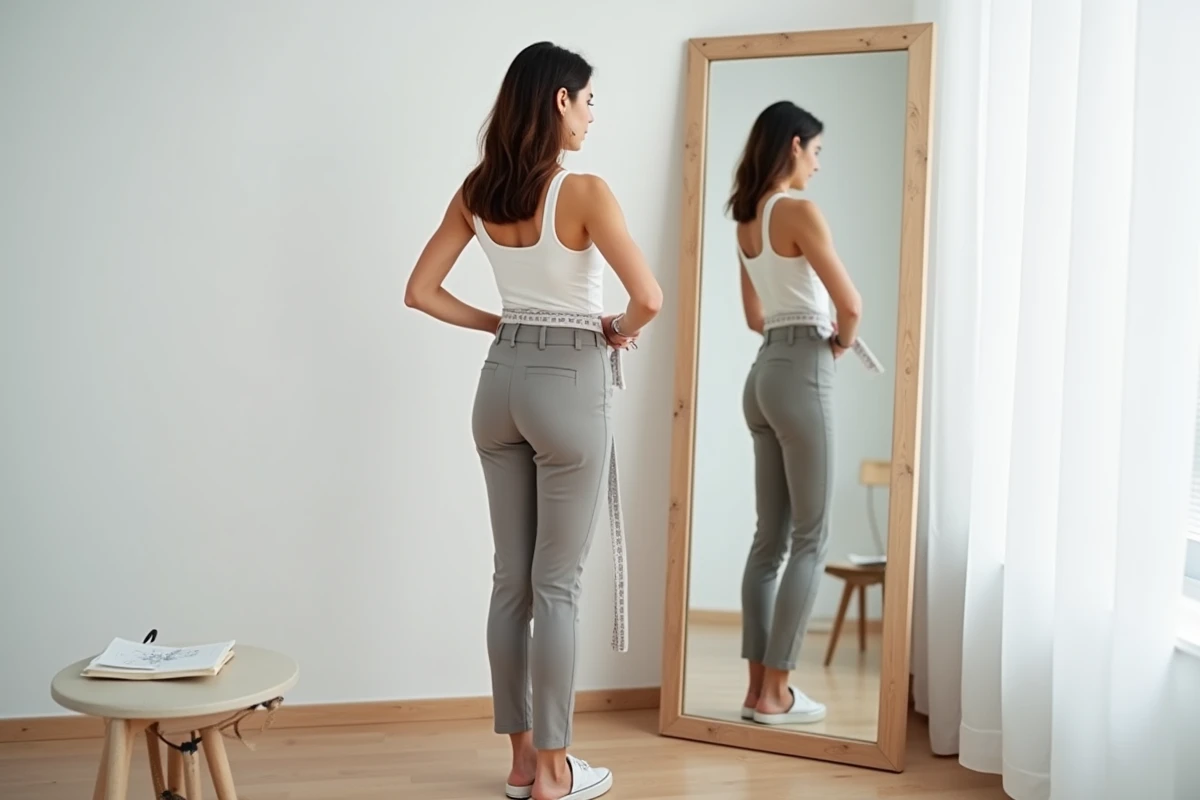
The cut of a garment takes precedence over its color, brand, and price. High-waisted pants elongate a short silhouette, while a straight cut structures a V-shaped torso. We recommend starting with three simple measurements (shoulders, waist, hips) to identify your morphological type before any purchase.
Once this mapping is established, sorting becomes mechanical. Each piece must meet a cut criterion suitable for your silhouette, not a fashion effect. Specifically, if your hips are wider than your shoulders, favor structured tops (subtle shoulder pads, boat neckline) and fluid bottoms. The opposite applies for a V-shaped silhouette.
Diving deeper into style on Les Humeurs de Gloupsy Chérie allows you to visualize combinations suitable for each morphology, with examples of concrete outfits.
2. Build a limited and coherent color palette

Wearing the right colors transforms a look more than any accessory. Colorimetry applied to the wardrobe relies on the contrast between skin tone, eye color, and hair color. A personal palette is limited to six or seven shades that work together, regardless of the combination.
A wardrobe built on a limited palette multiplies possible combinations. Three neutral bottoms (navy, heather gray, black, or beige depending on your undertone) paired with four tops in your signature colors generate a dozen outfits effortlessly. This simple calculation eliminates the syndrome of a full closet where nothing goes together.
We observe that the most common mistakes come from impulsive purchases in shades outside the palette. A beautiful coral red in the window becomes a problem if it clashes with everything else in your wardrobe. Before buying, ask yourself: does this color match at least three pieces I already own?
3. Identify three signature pieces rather than follow trends
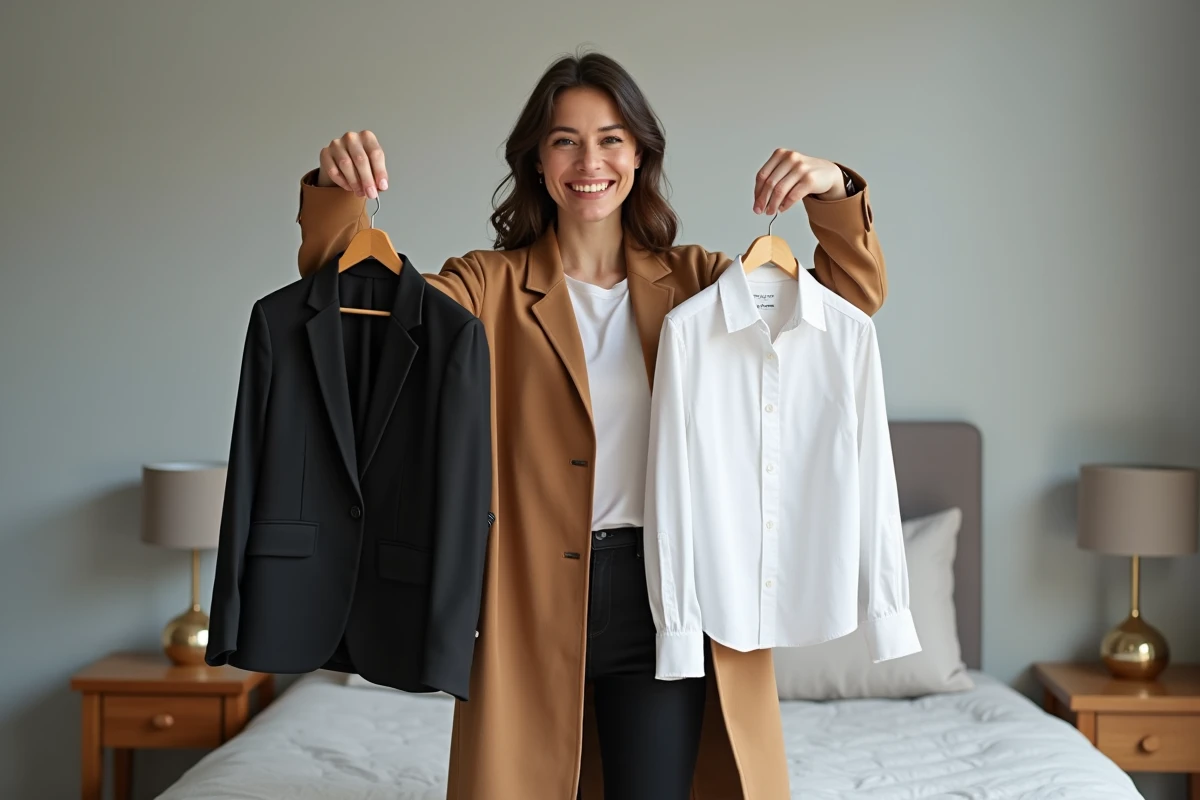
A recognizable personal style rarely relies on an entire wardrobe. It hinges on two or three recurring elements that become your visual trademark. This can be a type of collar, a material (linen, leather, ribbed knit), a systematic accessory (round dial watch, scarf tied as a belt), or a shoe shape.
This principle of signature pieces works because it creates consistency without monotony. You change outfits every day, but a visual thread persists. Clothing style is defined not by accumulation but by the controlled repetition of a few codes.
To find your signatures, we recommend a simple exercise:
- Take out the ten garments you wear most often and identify their common points (material, cut, detail)
- Note the recurring compliments you receive; they generally point to your natural signatures
- Test removing a recurring element for a week to see if you really miss it
4. Integrate comfort-movement into every choice

Remote work and hybrid lifestyles have permanently changed the construction of personal style. IFM studies on post-Covid clothing usage show a sustained increase in casual and comfort wear categories, combined with a search for polished outfits for visible tops in video conferences.
A garment you do not wear due to lack of comfort is an unnecessary garment, regardless of its price or aesthetics. The comfort-movement test involves checking that a piece allows you to sit, raise your arms, and walk without constant adjustment. If a dress rides up, if pants compress, if a shirt gapes between buttons, the piece does not fit your body.
The search for comfort does not mean sacrificing elegance. It requires selecting materials with a minimum of elastane in fitted pieces, flat seams in friction areas, and sizes that truly fit rather than the “desired” size.
5. Use a wardrobe management tool to audit your purchases

Wardrobe management and personal styling apps powered by AI have significantly increased in downloads since 2023. These tools allow you to photograph each piece in your closet, visualize combinations, and measure the cost per wear of each garment.
The cost per wear reveals the true value of a garment in your style. A high-priced coat worn three times a week for five years costs just a few cents per use. A trendy top worn twice before being relegated to the back of the closet costs its full price every time it is worn.
These apps also help detect duplicates and gaps. If your digital audit shows eight white shirts and no structured tops in your secondary palette, the next direction for purchasing becomes obvious. The tool replaces intuition with concrete visual data.
- Systematically photograph your worn outfits to identify your actual combinations (not the ones you imagine)
- Mark pieces not worn for six months to identify what does not work in your current style
- Use the “outfit planner” function before a purchase to check that a new piece fits with what you already have
A personal clothing style is built as much by subtraction as by addition. Each piece kept or purchased must pass the triple filter of the suitable cut, coherent color, and real comfort. The rest clutters the closet and muddles the image you project.